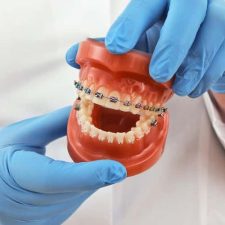
Dental braces are a common orthodontic treatment used to straighten and align teeth for a more aesthetically pleasing smile. Braces are typically recommended for individuals with crowded or misaligned teeth, as well as those with bite issues such as overbite or underbite.
Braces work by applying continuous pressure on the teeth, moving them into the desired position over time. While braces are often associated with teenagers, they can be used by individuals of all ages to achieve a straighter smile and improve overall oral health. In this article, we will explore the different types of braces available, the process of getting braces, and how to properly care for them during treatment.

Types of Braces
There are several types of braces available to cater to individual needs and preferences. Traditional metal braces are the most common option, consisting of metal brackets and wires that gradually shift the teeth into place. Ceramic braces, which blend in with the natural color of teeth, are a more discreet alternative. Lingual braces are placed behind the teeth for a nearly invisible treatment option. Invisalign, a popular choice for adults, uses clear aligners to straighten teeth without traditional brackets and wires. dentists for braces can provide a comprehensive consultation to determine the best type of braces for each individual’s needs.
Caring for Braces
Proper care is essential when undergoing orthodontic treatment with braces. It is important to maintain good oral hygiene by brushing and flossing regularly, taking extra care around brackets and wires. Avoiding hard, sticky foods can prevent damage to the braces, ensuring they remain effective throughout treatment. Regular check-ups with dentists for braces are crucial to monitor progress and make any necessary adjustments for optimal results. By following these care guidelines, individuals can achieve a straighter smile and improved oral health with braces.
In conclusion, dental braces play a crucial role in straightening teeth and correcting bite issues for individuals of all ages. From traditional metal braces to more discreet options like ceramic braces and Invisalign, there are various choices available to suit different needs and preferences. It is important to prioritize good oral hygiene and follow care guidelines to ensure the effectiveness of braces throughout treatment. Regular check-ups with dental professionals will help monitor progress and make any necessary adjustments for optimal results. By committing to proper care and maintenance, individuals can achieve a straighter smile and improved oral health with the help of braces.