
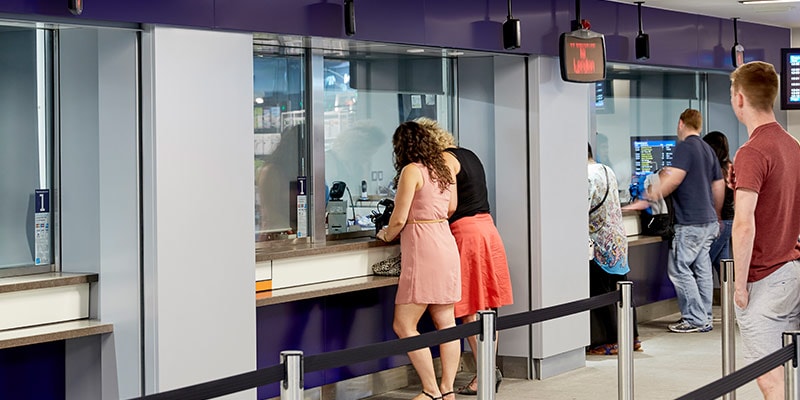
Teller windows, also known as bank windows, are a common feature in financial institutions where customers carry out various banking transactions. These service counters act as an interface between customers and bank staff, providing a convenient way for individuals to deposit or withdraw cash, make inquiries, and access other banking services. Standing tall in rows with a glass partition separating the teller from the clients, teller windows offer a physical space where face-to-face communication and essential banking operations take place.
Traditionally, teller windows have been a key component of bank branches, serving as a central hub for customers to conduct personal banking tasks. While the emergence of online banking and other digital channels has transformed the way people conduct financial transactions, teller windows continue to hold significance for many customers who prefer the human touch and personalized assistance offered by tellers. This article explores the role and importance of teller windows in modern banking, discussing their history, functionalities, and the evolving nature of teller transactions in today’s dynamic financial landscape.
The Evolution of Teller Windows
Over the years, teller windows have undergone significant changes to meet the evolving needs and expectations of bank customers. Initially, teller windows were simple, enclosed structures with small openings for the exchange of cash and documents. However, as banks started prioritizing customer experience and convenience, the design and functionality of teller windows began to transform.
Today, modern teller windows, such as the ones available teller windows, feature advanced technology and innovative designs. The glass partitions not only provide security and privacy but also allow customers to observe their personal information being handled securely. Some teller windows even incorporate touchscreens and video conferencing capabilities to enhance the level of service and streamline transactions. These innovations have revolutionized the traditional notion of a teller window, creating a seamless blend of human interaction and digital convenience.
The Significance of Teller Windows in Modern Banking
Despite the rise of online banking, mobile applications, and ATMs, teller windows remain a crucial component of bank branches. They serve as a physical representation of a bank’s presence within a community, fostering trust and strengthening customer relationships. For many individuals, especially those seeking personalized assistance or dealing with complex financial matters, face-to-face interactions with tellers offer a sense of reassurance and reliability that digital channels cannot replicate.
Moreover, teller windows contribute to an inclusive banking experience by catering to diverse customer needs. They accommodate customers with limited digital literacy or accessibility requirements who may find online banking platforms challenging to navigate. By providing personalized attention and guidance, tellers stationed behind these teller windows play a vital role in making banking services accessible and user-friendly for all. As banking continues to evolve, teller windows are likely to adapt further to incorporate new technologies and deliver enhanced customer experiences.
In conclusion, teller windows continue to play a significant role in modern banking despite the advancements in digital channels. They have evolved from simple exchange points to technologically advanced service counters that provide a blend of human interaction and convenience. Teller windows serve as a physical representation of a bank’s presence and foster trust among customers. They also cater to diverse customer needs, offering personalized attention and guidance to individuals who may find online banking challenging. As the banking landscape continues to evolve, teller windows will likely adapt further to incorporate new technologies and deliver enhanced customer experiences.