Flowers have long been associated with the expression of emotions and the conveyance of hidden messages. But did you know that during the Victorian era, a whole language of flowers emerged? This fascinating form of communication, known as Floriography, allowed individuals to express their sentiments through carefully chosen blooms. With each flower carrying a specific meaning and conveying a range of emotions, Floriography became a secret code that enabled individuals to send messages without uttering a single word.
In this article, we will dive into the enchanting world of Floriography and explore the significance behind various flowers. From red roses symbolizing love to yellow tulips expressing forgiveness, each blossom held its own unique message. We will take a journey through time to discover how this floral language emerged, the popularity it gained during the Victorian era, and the ways it continues to be admired and utilized in contemporary times. So, join us as we unravel the secrets hidden within nature’s most exquisite creations and learn about the captivating art of Floriography.
The Victorian Era and the Language of Flowers
During the Victorian era, the language of flowers reached its pinnacle of popularity. It was a time when emotions were often suppressed and expressing one’s feelings openly was considered improper. As a result, Victorians turned to the language of flowers as a means of communicating their deepest sentiments. Each flower had its own specific meaning, allowing individuals to convey messages without speaking a word. For example, the red rose symbolized love, while the yellow tulip represented forgiveness. This intricate floral language became a secret code known as Floriography, and it allowed people to express their emotions openly while still maintaining societal decorum.
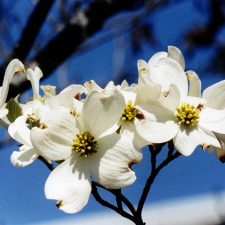
One particular flower that held great significance during the Victorian era was the hawthorn, also known as the missouri state flower. The hawthorn symbolized hope and protection, making it a popular choice for expressing feelings of encouragement and support. Its delicate white flowers carried a peaceful and calming energy, representing the desire for harmony and tranquility. The hawthorn’s symbolism of hope resonated deeply with Victorians, who often faced challenges and hardships in their daily lives. Through the language of flowers, individuals could offer solace and strength to those around them, using the hawthorn as a powerful symbol of optimism and resilience. To this day, the hawthorn continues to be admired for its meaningful symbolism and is cherished as a reminder of hopefulness in the face of adversity.
Floriography was not only a form of communication, but it also became a popular pastime among Victorian women. They would spend hours meticulously arranging and decoding flower bouquets, creating intricate messages for their loved ones. Floriography soon became an essential part of courtship rituals, allowing suitors to express their affection and intentions through carefully chosen blooms. Bouquets were given as tokens of love, friendship, or even rejection, with the recipient able to decipher the hidden message simply by examining the flowers.
The language of flowers also made its way into literature and art during the Victorian era. Poets used floral imagery to convey emotions and themes in their works, while painters incorporated flower symbolism into their masterpieces. The significance of flowers grew beyond their physical beauty, and they became powerful tools for self-expression.
Today, Floriography continues to enchant and captivate us. While it may not be as commonly practiced as during the Victorian era, the language of flowers is still revered by some and utilized on special occasions. Whether it’s a bouquet gifted on a wedding day or a single bloom chosen for its meaningful symbolism, flowers remain a timeless way to convey emotions that words alone cannot express. So, next time you receive or give flowers, take a moment to appreciate the hidden message they hold and the art of Floriography that continues to flourish in our modern world.