Mirrors have been a part of human civilization for centuries, serving both practical and decorative purposes. From the polished stone mirrors used by ancient civilizations to the sleek, modern designs we see today, mirrors have become an essential element in our everyday lives.
Not only do mirrors help us check our appearance and groom ourselves, but they also play a crucial role in interior design by creating illusions of space and light. In this article, we will delve into the fascinating history of mirrors, their different types and uses, as well as some interesting facts about these reflective surfaces.
The History of Mirrors
Throughout history, mirrors have held a mystical allure, associated with beauty, vanity, and even the supernatural. The earliest recorded use of mirrors dates back to ancient civilizations such as the Egyptians and Mesopotamians, who crafted mirrors from polished obsidian and copper. These early mirrors were prized possessions, believed to possess magical qualities and used in rituals and ceremonies. Over time, the art of mirror-making evolved, with the Romans pioneering the use of glass for mirrors in the first century AD. This innovation revolutionized the mirror industry, paving the way for the elaborate, decorative mirrors we see today. To learn more about the evolution of mirrors, view more.
The Role of Mirrors in Interior Design
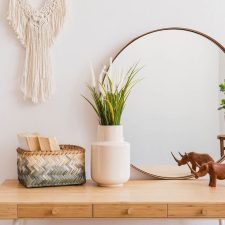
In addition to their practical uses, mirrors have a significant impact on interior design, transforming spaces by creating illusions of depth and light. Mirrors are strategically placed to reflect natural light and brighten rooms, making them appear larger and more open. A well-placed mirror can also serve as a focal point in a room, adding visual interest and enhancing the overall aesthetic. From contemporary wall mirrors to ornate floor-length designs, mirrors come in a variety of shapes and styles to suit any decor scheme. Whether used to amplify natural light or make a statement in a room, mirrors are versatile design elements that can elevate any space. Join us in exploring more about how mirrors enhance interior design aesthetics view more.
As we have seen, mirrors have not only evolved in functionality but also in design, becoming an indispensable element in interior design. Their ability to reflect light and create an illusion of space has made them a valuable tool for decorators and homeowners alike. Whether used to brighten a room, create a sense of depth, or add a touch of elegance, mirrors continue to play a vital role in shaping our living spaces. With their rich history and practical applications, mirrors remain an enduring symbol of beauty and refinement, serving as timeless additions to any home decor.